
In an age where information is as close as the phone in your pocket, small towns face a unique challenge. How do you attract new residents to small towns, lure weekend travelers, and encourage locals to explore their own backyard when the world is constantly telling them to go bigger, go faster, and go farther?
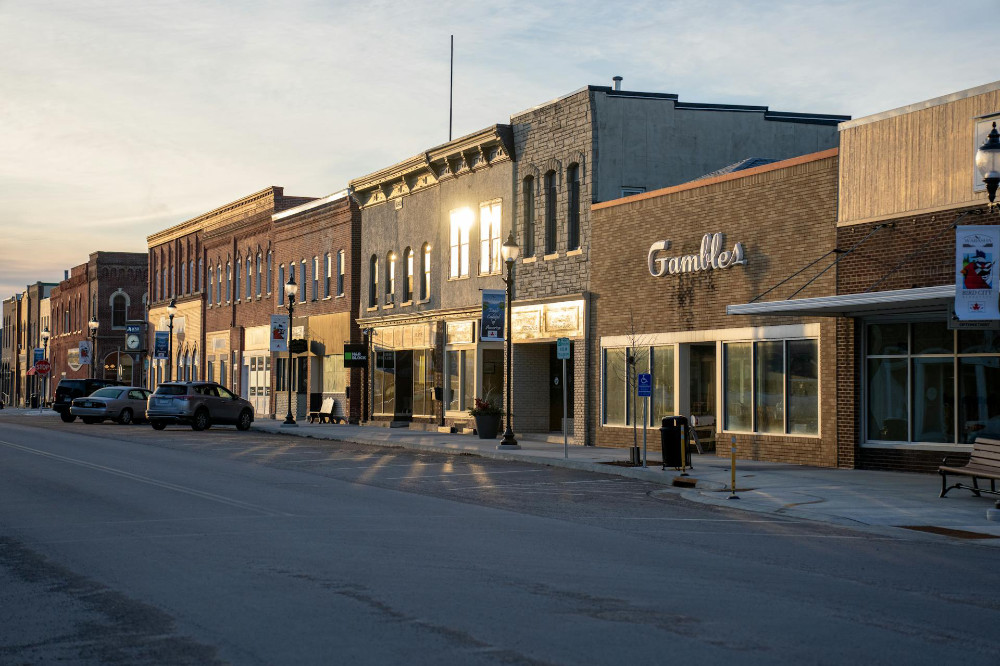
For generations, a town’s main street was the center of commerce and community—a place to grab a cup of coffee, run into a neighbor, and discover new businesses. But in a world of online booking and digital discovery, many small towns are finding their physical main streets just aren’t enough.
The solution isn’t to build a new main street, but to create a digital one. Think about it this way: a town’s website can be more than just a place to find city council minutes and recycling schedules. When designed with a purpose, it can become a vibrant, living directory that showcases everything that makes the town unique. The goal is to create a digital hub so compelling that it becomes the go-to resource for anyone looking to get a feel for the town, whether they’re planning a trip or considering a move. This is the cornerstone of modern small town economic development.
More Than Just a City Hall Bulletin Board
Most government websites are functional by necessity, but rarely by design. They’re built for people who already live there and already know exactly what they’re looking for. A potential visitor or a family thinking of relocating isn’t interested in the municipal tax code. They’re interested in a town’s vibe. They want to know what’s on the calendar this month. They want to know if there’s a good place to grab a bite after a long drive, a quirky museum to explore on a rainy day, or a park where the kids can run wild.
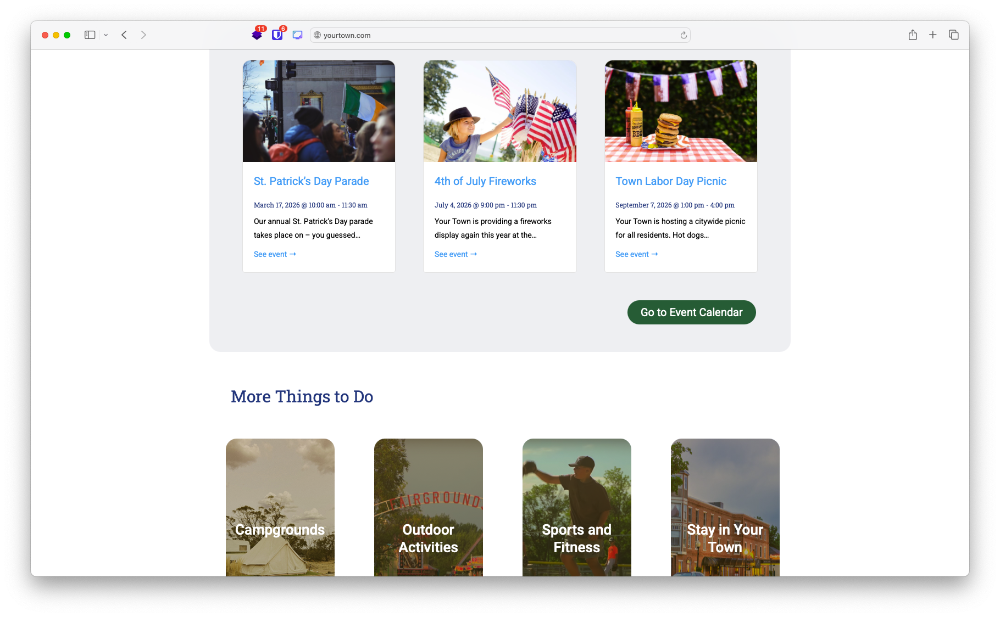
A Things to Do type of section, for instance, should be a comprehensive, dynamic guide to the community. Imagine a website for town events and businesses that isn’t just a list, but a compelling, interactive resource. Imagine the page pulling in a live feed of upcoming events, from a community-run farmers’ market to a local church’s annual fall dinner. This isn’t just about providing information; it’s about telling a story. It’s about painting a picture of a place that is alive, active, and welcoming. This kind of detail turns a static website into a powerful economic development tool.
The Local Hub Effect
When you create a centralized, easy-to-navigate online space, you’re not just helping tourists; you’re empowering your own community. For local business owners, it’s a way to get found without needing their own sophisticated websites or marketing budgets. A single, official government website for local businesses acts as a powerful SEO engine for every business listed on it, linking them to a central, credible source of information.
For residents, it becomes a hub for community engagement. Ever wanted to find a good hiking trail or a local art gallery, but didn’t know where to look?

A well-organized, comprehensive website makes it easy to discover the hidden gems in your own backyard. This fosters a sense of pride and encourages people to spend their time and money locally, which strengthens the entire economy. It makes people feel connected to their town in a way that goes beyond just paying their water bill online. It transforms the digital space from a chore into a resource.
A Long-Term Investment, A Lasting Community
Building a “digital main street” might seem like a daunting task, but the benefits are long-lasting and low-maintenance once established. It’s an investment in the town’s future. The content—the lists of businesses, the attraction descriptions, the event calendar—will be the same information that residents and visitors will need for years to come. The initial effort of gathering this information pays dividends for years.
In a world where competition for attention is fierce, a small town’s greatest asset is its authenticity and its sense of community. A dynamic, modern website is the best way to broadcast that message to the world. It’s a low-cost, high-impact strategy that helps a town show off what it’s all about, encouraging travelers to stop and stay a while, and inviting new families to see the place not just as a dot on a map, but as a place to call home. If you want to put your town on the map, sometimes all it takes is building a better website.
Curious how a Townsy government website can help your town?
Reach out, let's talk about it →
